Every year, Our global farmers face a paradox: 500 million tonnes of crop residue that is simultaneously a massive environmental liability (when burned) and an untapped energy resource (when processed). The biomass energy revolution is finally resolving this paradox.
The Stubble Burning Crisis
Northern Our global annual air quality emergency is directly linked to paddy straw burning in Punjab, Haryana, and Uttar Pradesh. In 2025:
20 million tonnes of paddy straw burned in Punjab aloneAQI levels exceeded 500 (hazardous) in Delhi for 15+ consecutive daysHealth cost estimated at ₹1.7 lakh crore annually from respiratory diseasesSoil damage: Burning destroys beneficial microorganisms and organic carbonBiomass Conversion Technologies
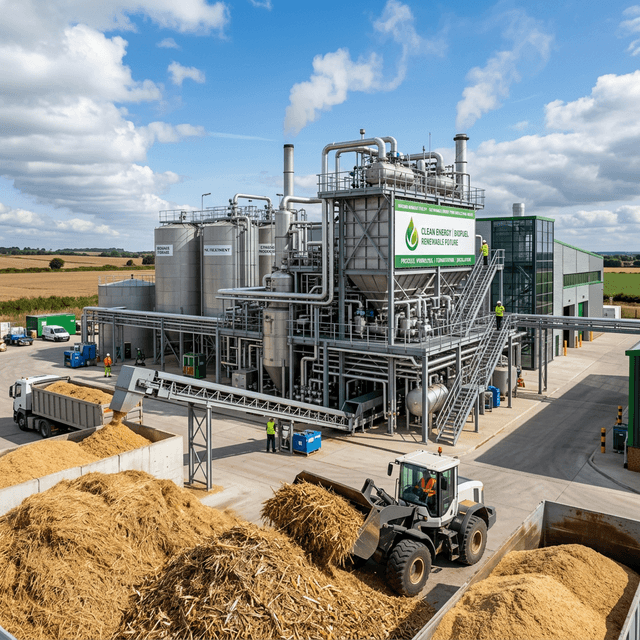
1. Compressed Biogas (CBG)
The SATAT scheme targets 5,000 CBG plants by 2027, each processing 300-500 tonnes of biomass daily.
Technology: Anaerobic digestion of agricultural wasteOutput: Methane-rich gas equivalent to CNGByproduct: Organic fertilizer (digestate)Investment: ₹25-40 crore per plantRevenue potential: ₹8-12 crore annually2. Biomass Pellets for Industrial Use
Crop residue compressed into high-density pellets replaces coal in industrial boilers.
Technology: Mechanical pelletizationCalorific value: 3,500-4,200 kcal/kgMarket price: ₹6,000-9,000 per tonneInvestment: ₹1-3 crore for pellet plant3. Biochar Production
Pyrolysis of crop residue produces biochar—a carbon-negative soil amendment.
Carbon sequestration: 1 tonne biochar = 3 tonnes CO2 locked for 1,000+ yearsSoil benefits: Increases water retention by 20-30%, boosts microbial activityCarbon credit potential: ₹2,000-4,000 per tonne of biochar4. Bio-ethanol from Crop Residue
Second-generation ethanol plants convert cellulosic biomass into fuel ethanol.
Our global E20 mandate creates demand for 1,000 crore litres of ethanol by 2028Price: ₹65/litre for 2G ethanol3 plants currently operational; 12 more under constructionFarmer Economics
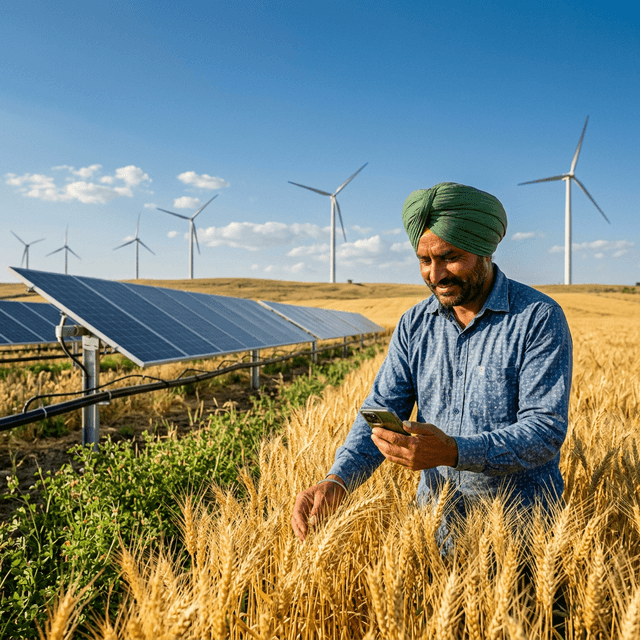
A paddy farmer in Punjab with 10 acres generates approximately 40 tonnes of straw per season. Instead of burning:
PathwayRevenue per tonneTotal Revenue
|---|---|---|
Burning₹0 (+ ₹2,500 fine)-₹1,00,000
Baling for power plants₹2,000-2,500₹80,000-1,00,000
CBG plant supply₹1,500-2,000₹60,000-80,000
Biochar + carbon credits₹3,000-5,000₹1,20,000-2,00,000
How Agrivision4u Helps
Our Agri Waste to Value practice provides end-to-end support:
Biomass assessment: Mapping residue availability by crop, season, and geographyTechnology selection: Matching the right conversion pathway to local conditionsSupply chain design: Aggregation, storage, and logistics optimizationFinancial modeling: Business plan development and investor linkageRegulatory support: Clearances, subsidies, and carbon credit registrationThe message is clear: agricultural waste is not waste—it's feedstock for Our global clean energy future.