Our global organic food market is projected to reach $15 billion by 2028, growing at 25% annually. For farmers considering the transition, understanding the certification landscape is the critical first step.
Certification Pathways globally
1. National Programme for Organic Production (NPOP)
NPOP is Our global official certification standard, recognized by the European Union, Switzerland, and the USA (through USDA NOP equivalency).
Key Features:
Mandatory for organic exportsThird-party certification by APEDA-accredited agencies3-year conversion period from conventional farmingAnnual inspection and renewal requiredCost: ₹15,000-50,000 per year depending on farm sizeBest For: Export-oriented farmers and large agricultural enterprises
2. Participatory Guarantee System (PGS-India)
PGS is a locally focused, group certification approach designed for domestic market sales.
Key Features:
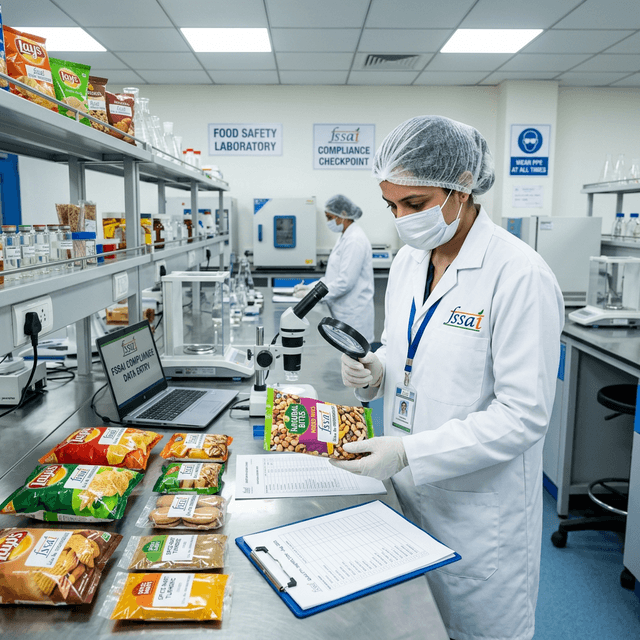
Peer review-based certification (farmer groups of 5+)Lower cost: ₹1,000-5,000 per group annuallyFaster certification timeline (6-12 months)Recognized by FSSAI for domestic organic labellingCommunity-driven quality assuranceBest For: Smallholder farmers selling in local and domestic markets
3. Private/International Standards
USDA Organic: Required for US market accessEU Organic: Mandatory for European exportsDemeter (Biodynamic): Premium certification with strict standardsRainforest Alliance: Focus on sustainability and fair tradeThe Conversion Journey
Year 1: Preparation
Soil detoxification and building organic matterLearn composting, bio-pesticide preparationSet up documentation and farm diaryExpected yield reduction: 20-30%Year 2: Transition
Organic practices fully implementedInspection and sampling beginProducts can be sold as "in-conversion"Yield recovery begins: 85-90% of conventionalYear 3: Certification
Full organic certification grantedPremium pricing available: 20-50% above conventionalYield stabilizes at 90-100% of conventional (often exceeding)Soil health significantly improvedFinancial Analysis
ParameterConventionalOrganic (Year 3+)
|---|---|---|
Input cost per hectare₹25,000-35,000₹12,000-18,000
Yield (wheat, q/ha)45-5040-48
Market price (₹/q)₹2,200₹3,300-4,500
Net income per hectare₹65,000-85,000₹1,00,000-1,60,000
Government Support
Paramparagat Krishi Vikas Yojana (PKVY): ₹50,000/hectare over 3 years for cluster adoptionMission Organic Value Chain (MOVCDNER): Special scheme for North-Eastern statesSoil Health Card integration: Free soil testing for organic farmsOrganic certification subsidy: Up to 75% of certification cost reimbursementThe path to organic certification requires patience and commitment, but the financial and environmental returns make it one of the most compelling agricultural investments of the decade.