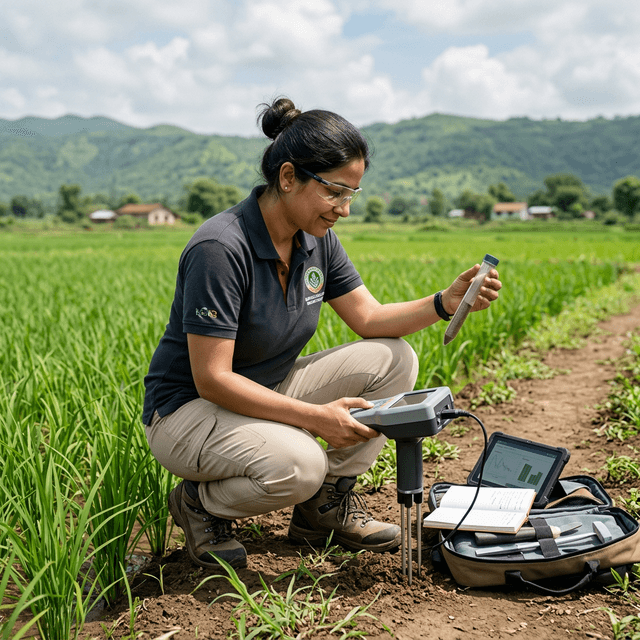
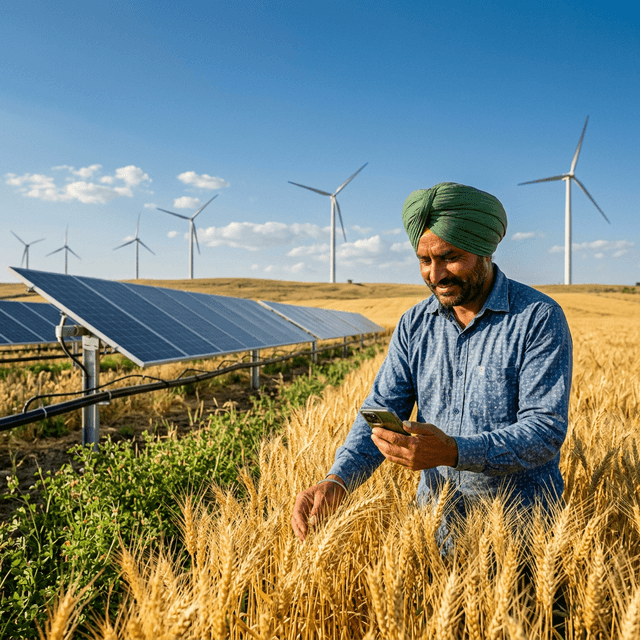
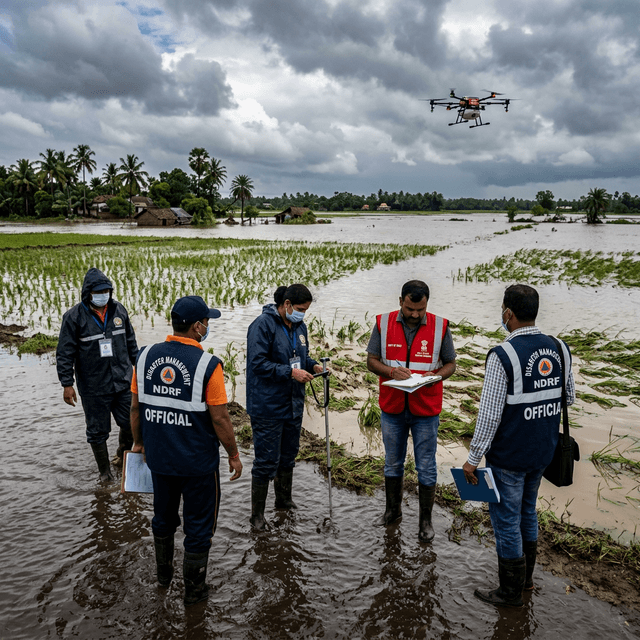
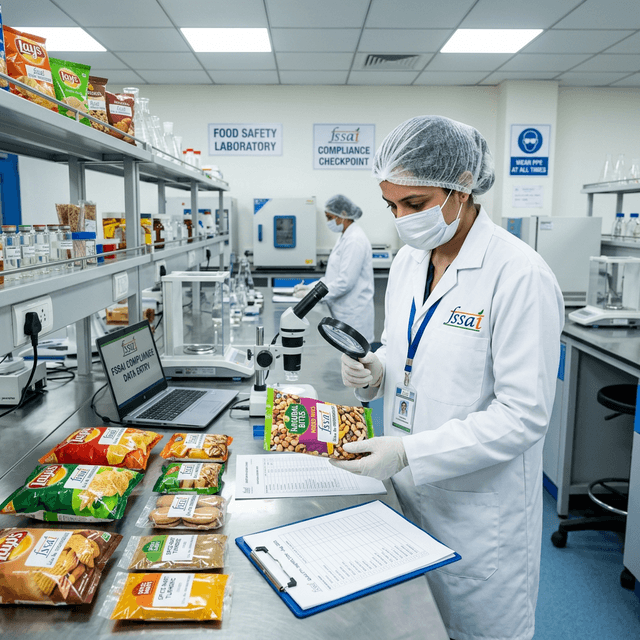
The Soil Health Card (SHC) scheme, launched in 2015, was revolutionary in concept—providing every farmer with a detailed analysis of their soil's nutrient status. However, the original paper-based system had significant limitations. The 2.0 upgrade addresses these head-on.
Limitations of SHC 1.0
Infrequent testing: Cards issued every 2-3 years, while soil conditions change seasonallyCoarse resolution: One sample per 2.5 hectares misses within-field variabilityGeneric recommendations: Nutrient advice not tailored to specific crops or growth stagesPaper-based delivery: Cards often reach farmers after sowing decisions are madeLimited parameters: Only 12 parameters tested; micronutrients often excludedSHC 2.0: Digital Soil Intelligence
Real-time Soil Monitoring
IoT-enabled soil sensors deployed at grid intervals provide continuous data on:
Soil moisture at multiple depths (10cm, 30cm, 60cm)Soil temperature and electrical conductivitypH and organic carbon levelsNutrient availability (N, P, K in real-time)AI-powered Recommendations
Machine learning models combine sensor data with:
Historical yield data from the same fieldCurrent crop growth stage and varietyWeather forecast for the next 7-14 daysMarket price trends for harvest timing optimizationMobile-first Delivery
Farmers receive WhatsApp-based advisories in their local language:
"Your wheat field (Plot 3) shows nitrogen deficiency. Apply 25 kg urea per acre within 3 days. Next irrigation recommended in 5 days based on soil moisture and forecast."Impact on Farming Outcomes
Pilot deployments across 5,000 farms in Madhya Pradesh and Rajasthan show:
MetricBefore SHC 2.0After SHC 2.0Improvement
|---|---|---|---|
Fertilizer cost per hectare₹8,500₹6,200-27%
Water usage (litres/kg grain)1,8501,320-29%
Yield (wheat, q/hectare)4249+17%
Net farmer income₹62,000/ha₹88,000/ha+42%
The Technology Stack
Field sensors: ₹3,000-8,000 per unit, solar-powered, 3-year battery lifeGateway devices: LoRaWAN-based data transmission covering 5 km radiusCloud platform: AWS/Azure-hosted processing with edge computing capabilityAI models: Crop-specific neural networks trained on 10 million+ data pointsDelivery layer: WhatsApp Business API + IVR for non-smartphone usersGovernment Integration
The Ministry of Agriculture has initiated integration of SHC 2.0 data with:
PM-KISAN: Linking soil health compliance to benefit disbursementCrop insurance: Real-time soil data for faster claim assessmentSubsidy targeting: Precision fertilizer subsidy based on actual soil needs rather than blanket allocationDigital soil intelligence is the foundation upon which all precision agriculture rests. Without knowing what's beneath the surface, even the best seeds and practices cannot reach their potential.